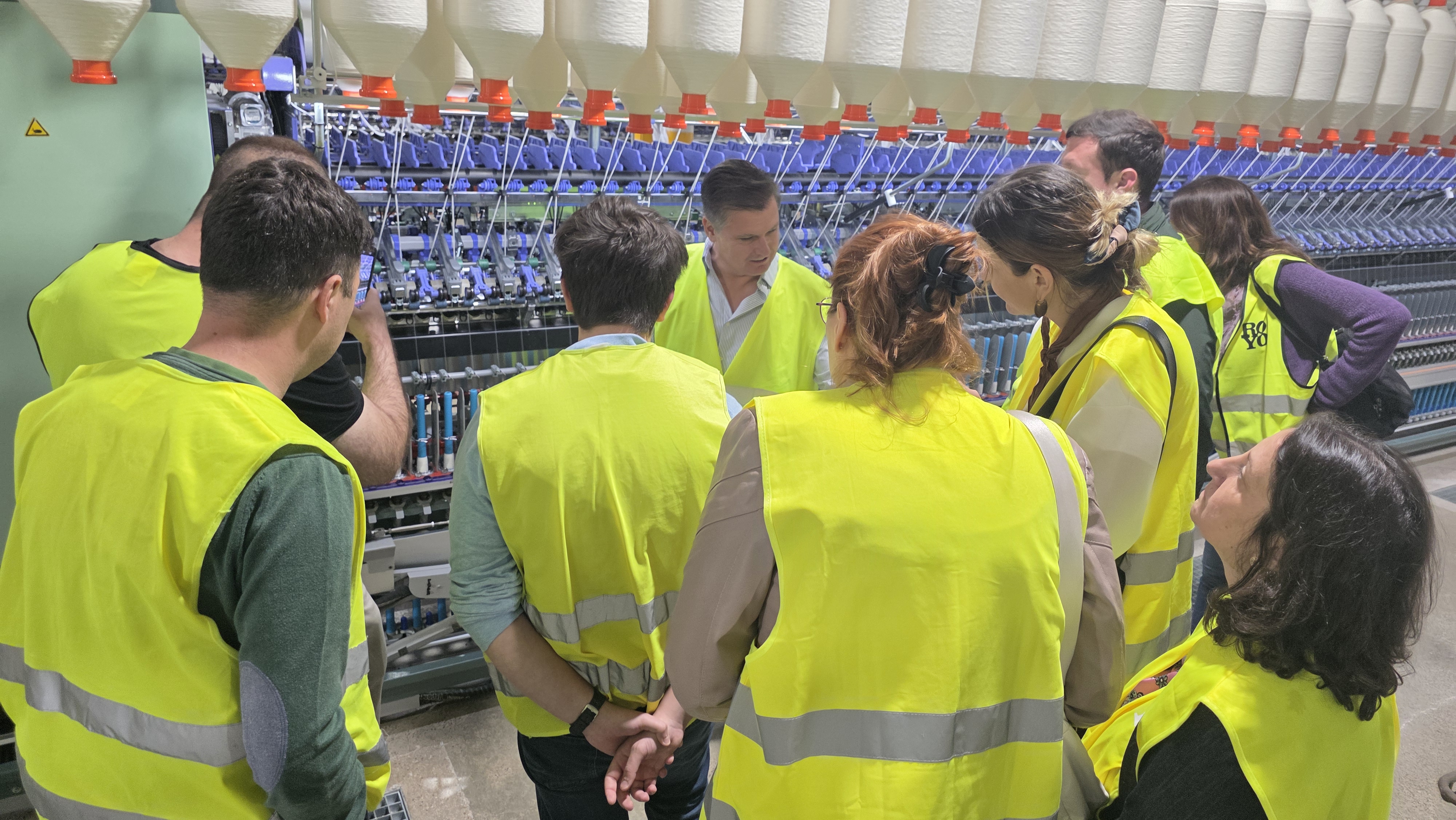
BELGRADE, 26th May 2026 - As part of the project EU for Circular Economy in Serbia, representatives of Serbian companies participated in a study visit to Valencia, Spain, one of Europe’s leading regions in circular textile production and sustainable industrial innovation. Representatives of the Ministry of Environmental Protection, the Environmental Protection Agency, and the Chamber of Commerce and Industry of Serbia also took part in the mission, contributing to the exchange and future dissemination of knowledge and best practices to a broader network of Serbian companies in the textile and agri-food sectors.
During the visit, participants had the opportunity to meet with pioneering companies and industry associations specialising in textile recycling, renewable energy use, waste valorisation, eco-design, and zero-waste production models. The program included exchanges with organisations and other innovators in the field of circular economy and sustainable manufacturing.
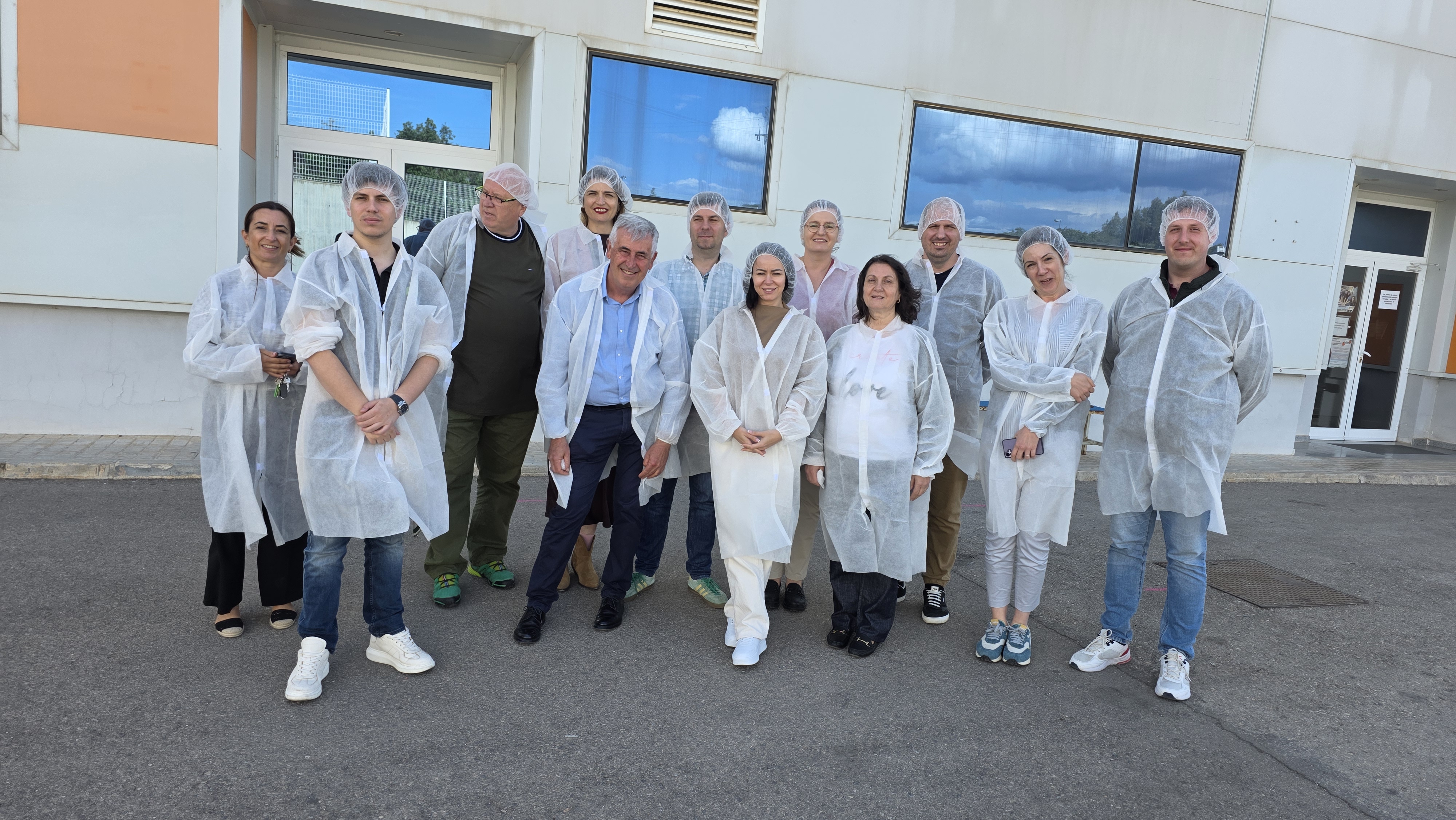
The companies and organisations selected for the visit represent some of the most advanced examples of circular innovation in the European textile sector, recognised for developing technologies and production models that significantly reduce water consumption, industrial waste, and environmental impact while maintaining high industrial performance and competitiveness.
By learning directly from successful European examples, Serbian companies and institutions gained practical insights into innovative approaches for reducing waste, increasing resource efficiency, integrating recycled materials into production processes, and strengthening long-term sustainability and competitiveness.
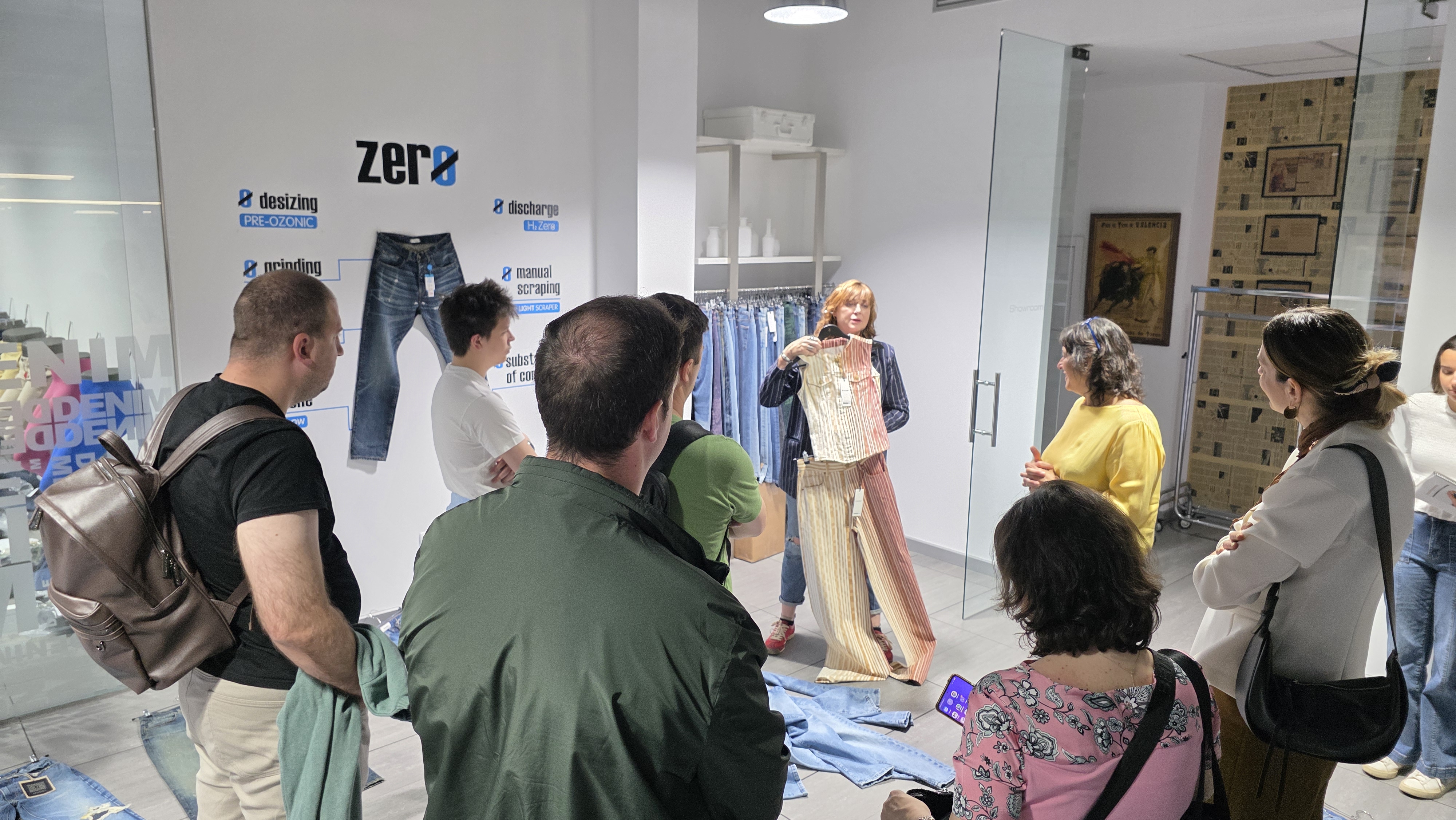
The visit also created opportunities for future cooperation and networking between Serbian and Spanish stakeholders, contributing to the broader goal of accelerating Serbia’s transition toward a more sustainable and resource-efficient economy.
The study visit was carried out within the “EU for Circular Economy in Serbia” project, implemented by the Ministry of Environmental Protection with financial support from the Delegation of the European Union to Serbia, and with technical assistance provided through the “EU for Circular Economy in Serbia” project implemented by NTU International and Global Factor.