Ivanjica, 7 October 2026. Leftover food as an ingredient for new meals, shopping planning and proper food storage were at the centre of two practical workshops held at “Milinko Kušić” Primary School in Ivanjica. Students and citizens took part in activities organised as part of the EU for Circular Economy in Serbia project, focusing on reducing food waste and promoting more responsible use of resources, implemented in cooperation with the Municipality of Ivanjica and the Technical Secondary School in Ivanjica.
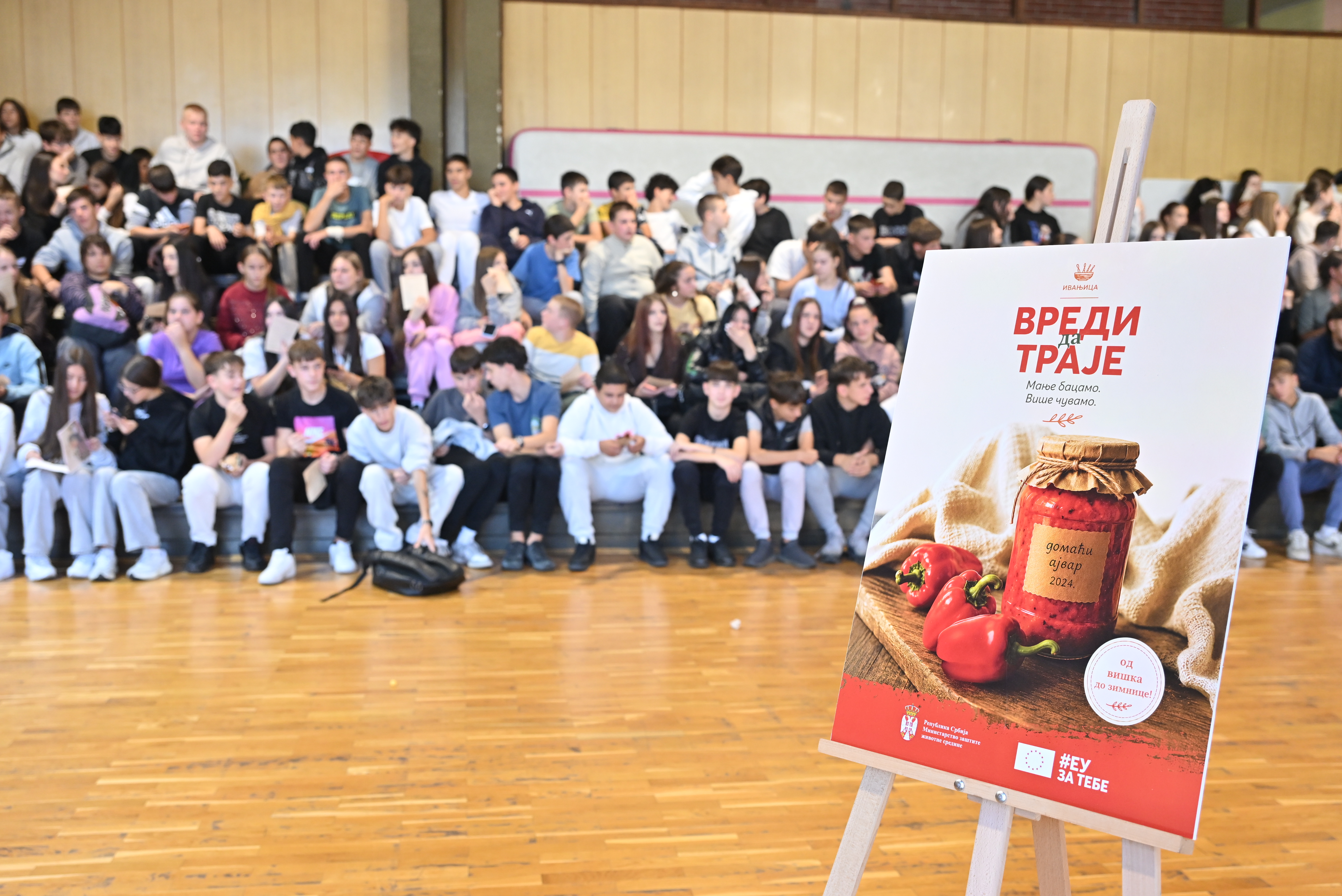
“The Municipality of Ivanjica has recognised the importance of the circular economy, joined this project and developed a Circular Economy Roadmap with the support of the Ministry of Environmental Protection, while also planning activities and projects to be implemented in the coming period. The key is to educate and raise awareness among both children and adults, and to highlight the importance of reducing food waste,” said Milka Kaplanović, Local Economic Development Coordinator at the Municipality of Ivanjica.
During the “Zero Waste” Culinary Challenge, students demonstrated through hands-on work how, with a little planning and creativity, leftover food can be turned into new meals. The activity encouraged participants to think about what we throw away and how we can make better use of the food we already have.
“The circular economy is not only a matter of waste management systems, but also of how we use resources in our everyday lives. That is why it is important to bring the principles of circularity closer to citizens, especially young people, and show that more sustainable habits can contribute both to environmental protection and to making better use of what we already have. Through activities like these, together with local communities, we are laying the foundations for more sustainable development and more responsible use of resources in Serbia,” said Aleksandra Vučinić, Head of the Circular Economy and Sustainable Development Section at the Ministry of Environmental Protection.
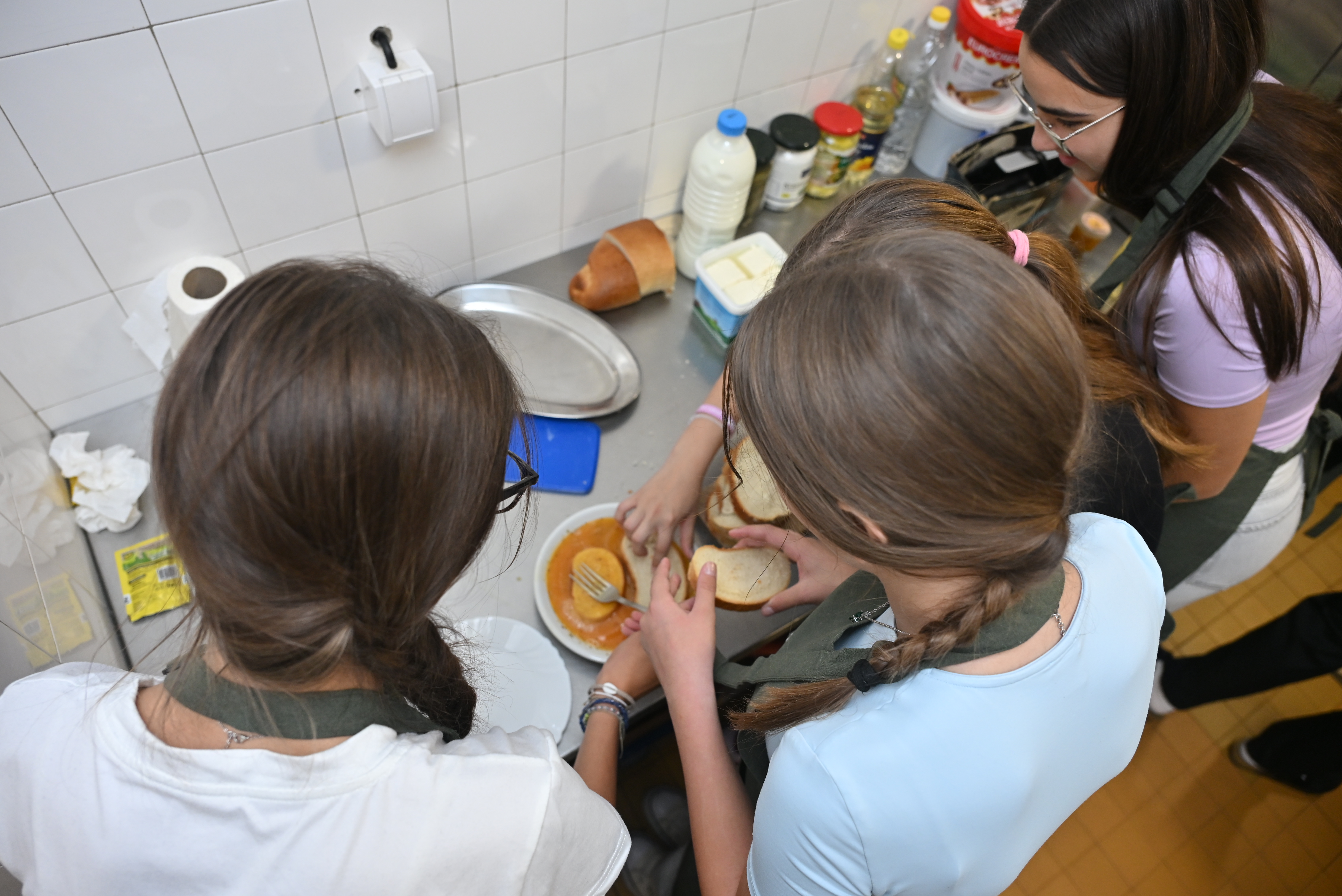
The “Managing Kitchen Waste” workshop provided practical advice on shopping planning, food storage and making use of leftovers. Participants learned how changes in everyday habits can reduce the amount of household waste and help save money.
“The circular economy begins long before something becomes waste. It begins with the way we buy, use and store what we have. When it comes to food, this means preserving its value for as long as possible by ensuring that it primarily serves to feed people, while making the most of the resources invested in its production. By adopting practical habits, we can build local communities that use resources more efficiently and contribute to more sustainable local development,” said Aleksandar Obradović, an expert on the EU for Circular Economy in Serbia project.
The workshops brought the principles of the circular economy closer to participants through everyday examples, with a simple message: food is more valuable when it is not wasted.
The EU for Circular Economy in Serbia project is implemented by the Ministry of Environmental Protection with the aim of supporting Serbia’s transition towards a circular economy through practical solutions that promote more responsible use of resources, waste reduction and the development of sustainable local communities. The project is funded by the European Union.
Photos: Radiša Remović/EU for Circular Economy in Serbia