As part of the project “EU for Circular Economy in Serbia”, a study visit to Slovenia was organised from 9 to 13 March 2026, with the aim of familiarising key stakeholders from Serbia with advanced models of circular economy implementation at the local and regional levels.
The study visit brought together representatives of the Ministry of Environmental Protection, the Standing Conference of Towns and Municipalities, as well as local self-government units from Arandjelovac, Cajetina, Ivanjica, Novi Pazar and Osecina. During the five-day programme, participants had the opportunity to explore concrete solutions and practices that position Slovenia among the leading countries in the region in the field of circular economy.
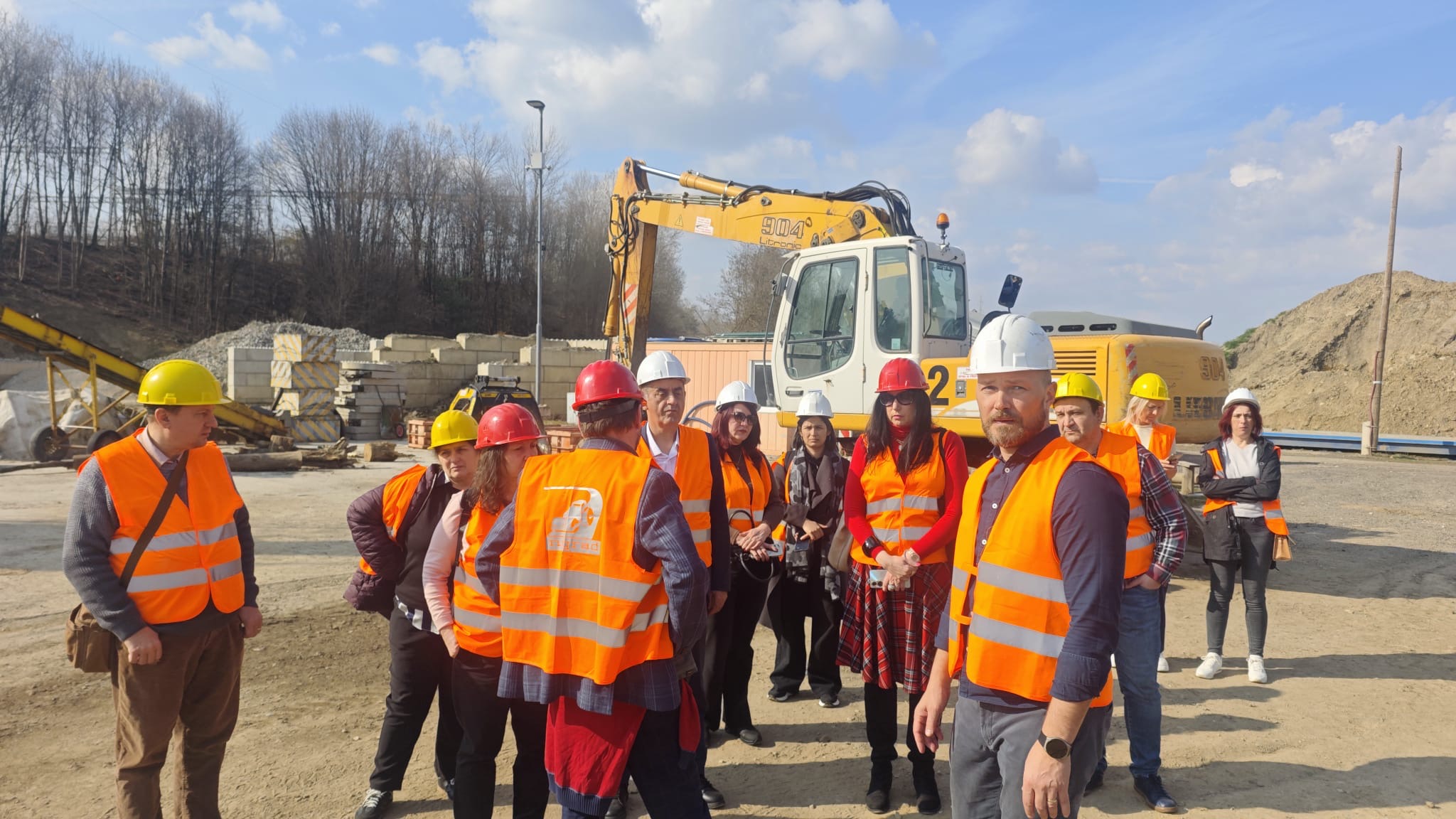
The programme began in Ljubljana, where participants visited the Regional Centre for Waste Management (RCERO), one of the most advanced waste treatment systems in the region, as well as the public utility company VOKA SNAGA, which manages integrated systems for water supply, wastewater treatment and waste management. This model demonstrates how regional cooperation and technological innovation can significantly reduce landfill use while increasing resource recovery.
In Kranj, participants were introduced to an integrated city development approach that connects circular economy, energy transition and sustainable mobility. Particular attention was given to projects that promote industrial symbiosis and material reuse, as well as innovative public service models that reduce emissions and improve citizens’ quality of life.
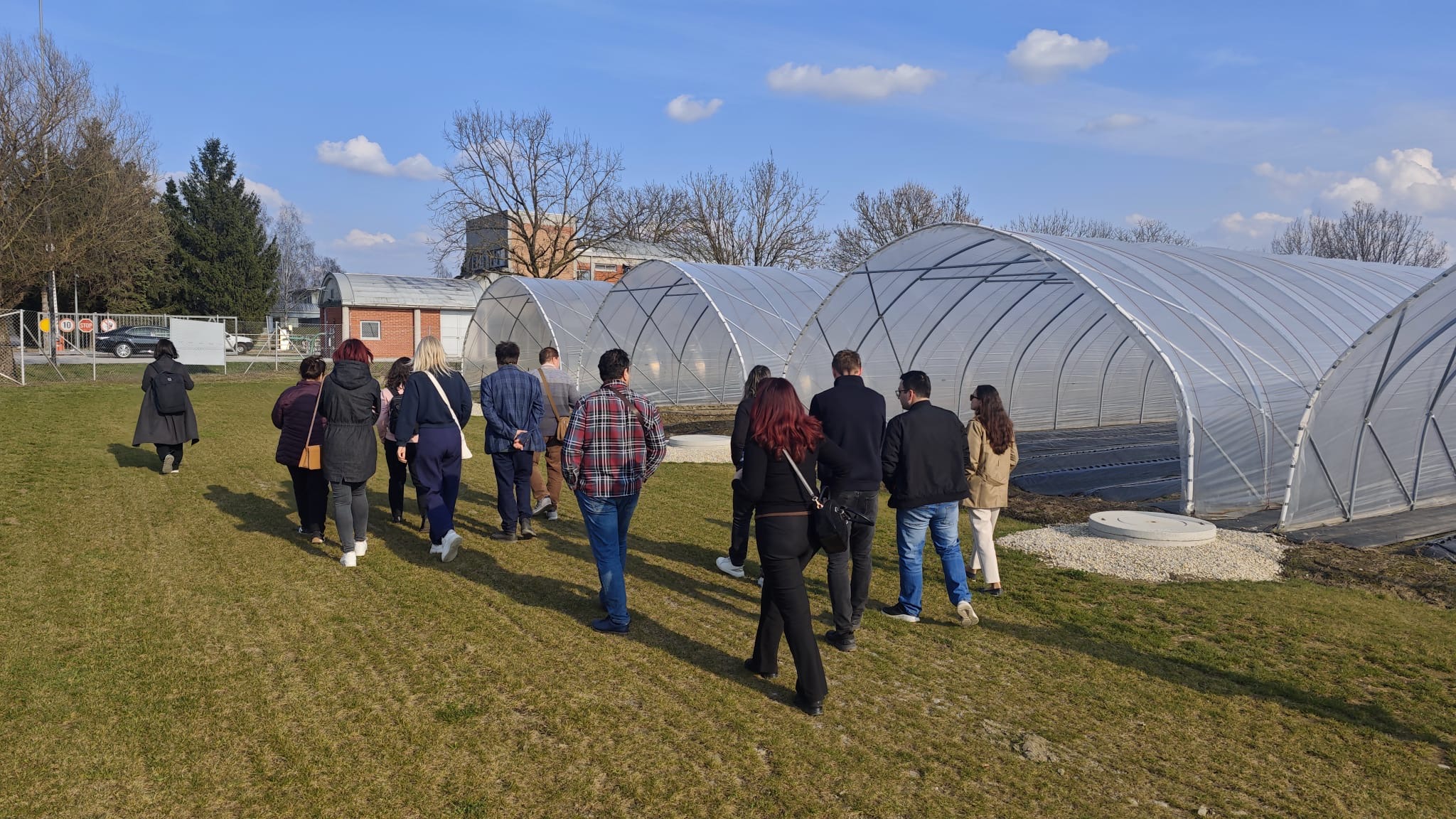
The visit to Vrhnika provided insight into the successful transformation of a smaller municipality towards a Zero Waste model. Through long-term investment in waste separation systems, citizen engagement and the development of local initiatives, the municipality has significantly reduced the amount of waste sent to landfill, while strengthening the local economy and community.
In Maribor and the Podravje region, the focus was on the development of circular bioeconomy and cross-sectoral cooperation. The Wcycle model of collaboration among public utility companies was presented as a mechanism for more efficient resource management across waste, water, energy and mobility sectors, as well as for developing innovative solutions based on the reuse and valorisation of biomass.
During the final day in Ljubljana, participants were introduced to strategic approaches to circular economy development, including initiatives related to waste management, energy efficiency, sustainable mobility and innovative reuse models. Special emphasis was placed on cooperation between public institutions, the private sector and civil society in shaping long-term policies and solutions.
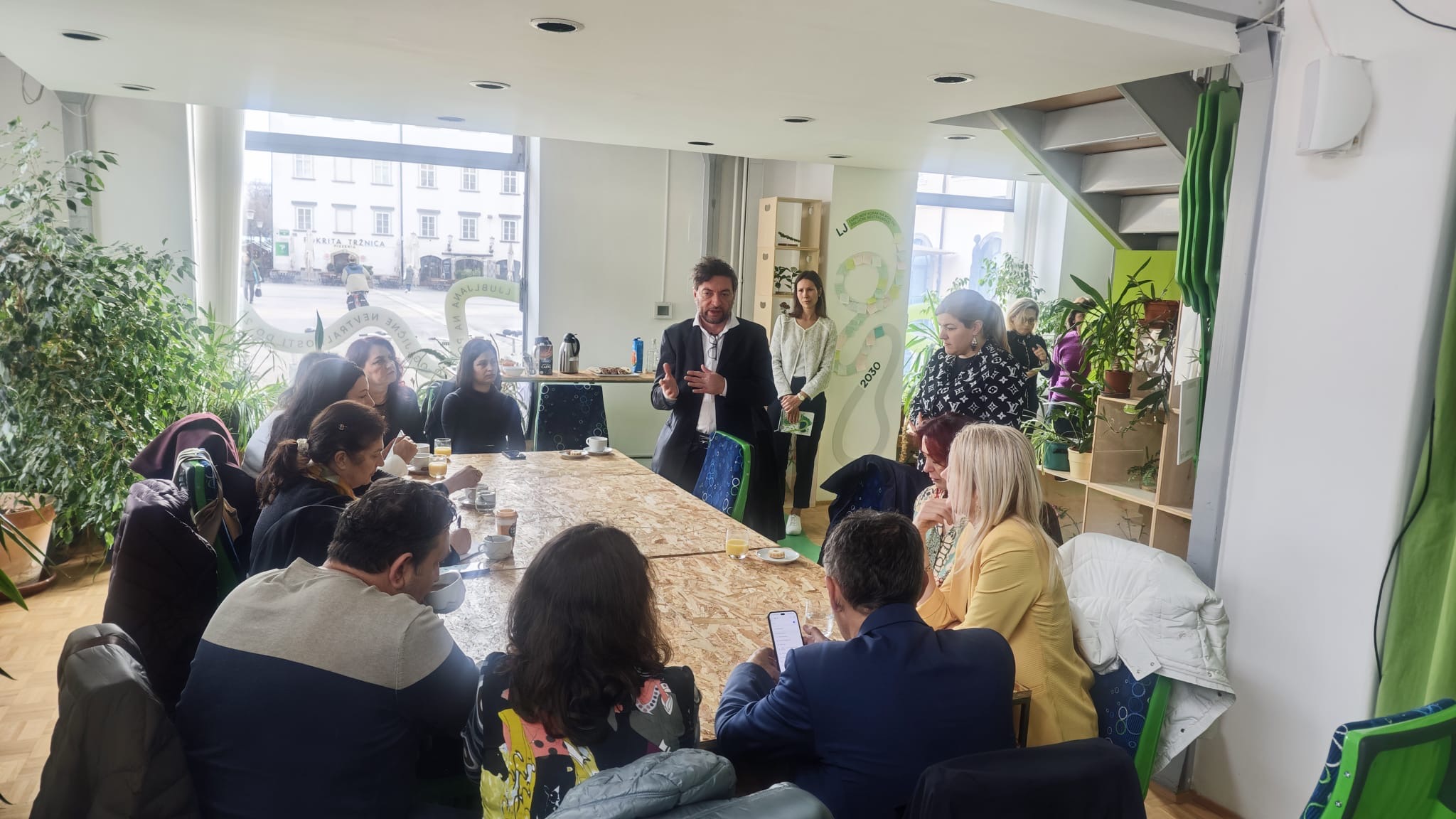
The study visit provided participants with direct insight into how circular solutions function in practice, while also enabling knowledge exchange with Slovenian counterparts. The knowledge and contacts gained will serve as a valuable foundation for improving local policies and initiatives in Serbia, as well as for further strengthening the capacities of institutions involved in the project.
This activity represents an important step towards accelerating the transition to a circular economy and bringing Serbia closer to European standards of sustainable development.