When a state introduces new requirements for practising a profession—e.g., a licence, an additional qualification, or mandatory membership of a chamber—it is important that such requirements be justified, non-discriminatory and proportionate to the objective pursued. This is precisely the purpose of the so-called proportionality test: to assess in advance whether a new rule is genuinely necessary and whether it makes access to a particular profession more difficult for citizens and professionals than is necessary. Directive (EU) 2018/958 requires states to carry out such an assessment before adopting new rules for regulated professions.
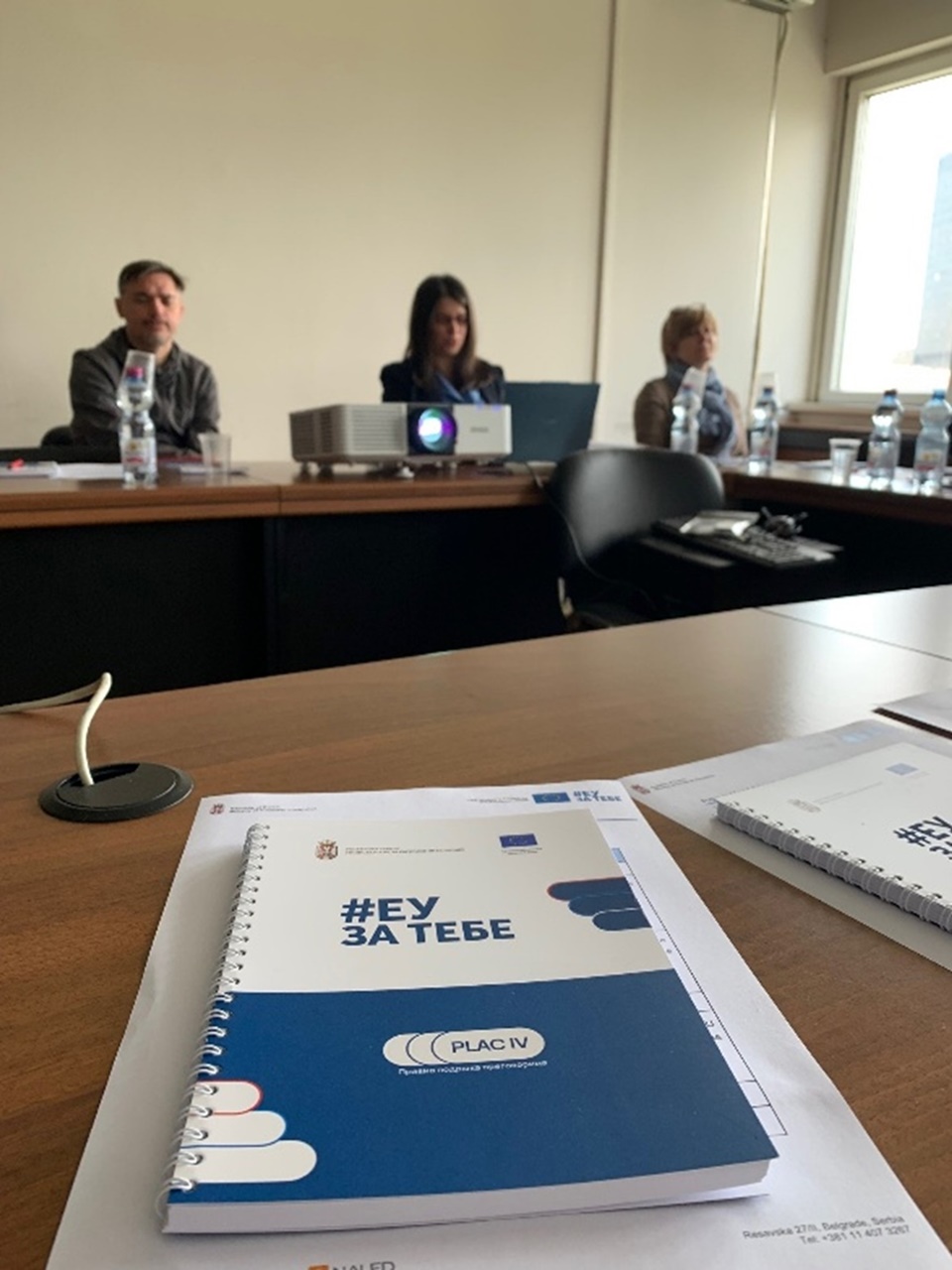
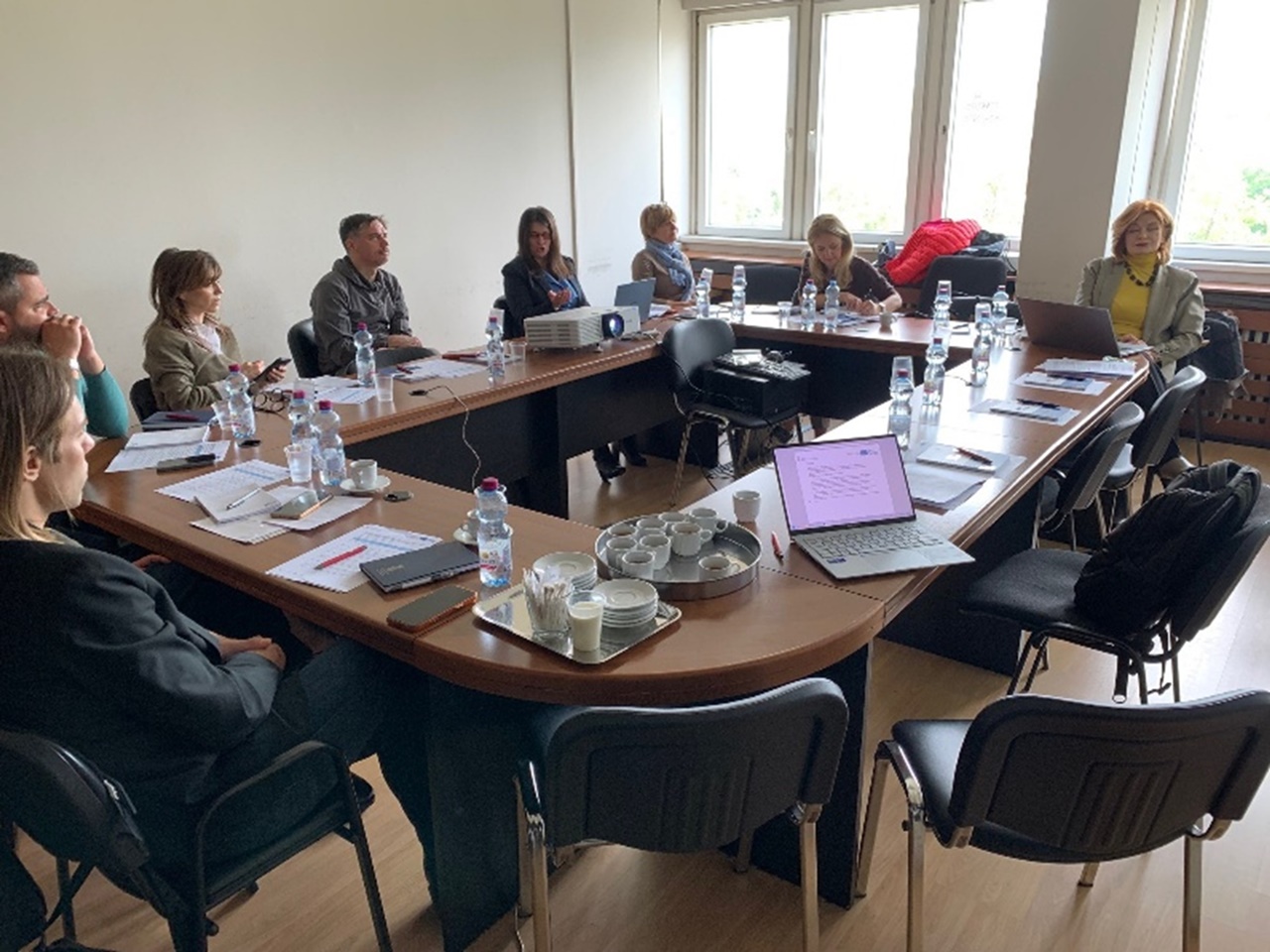
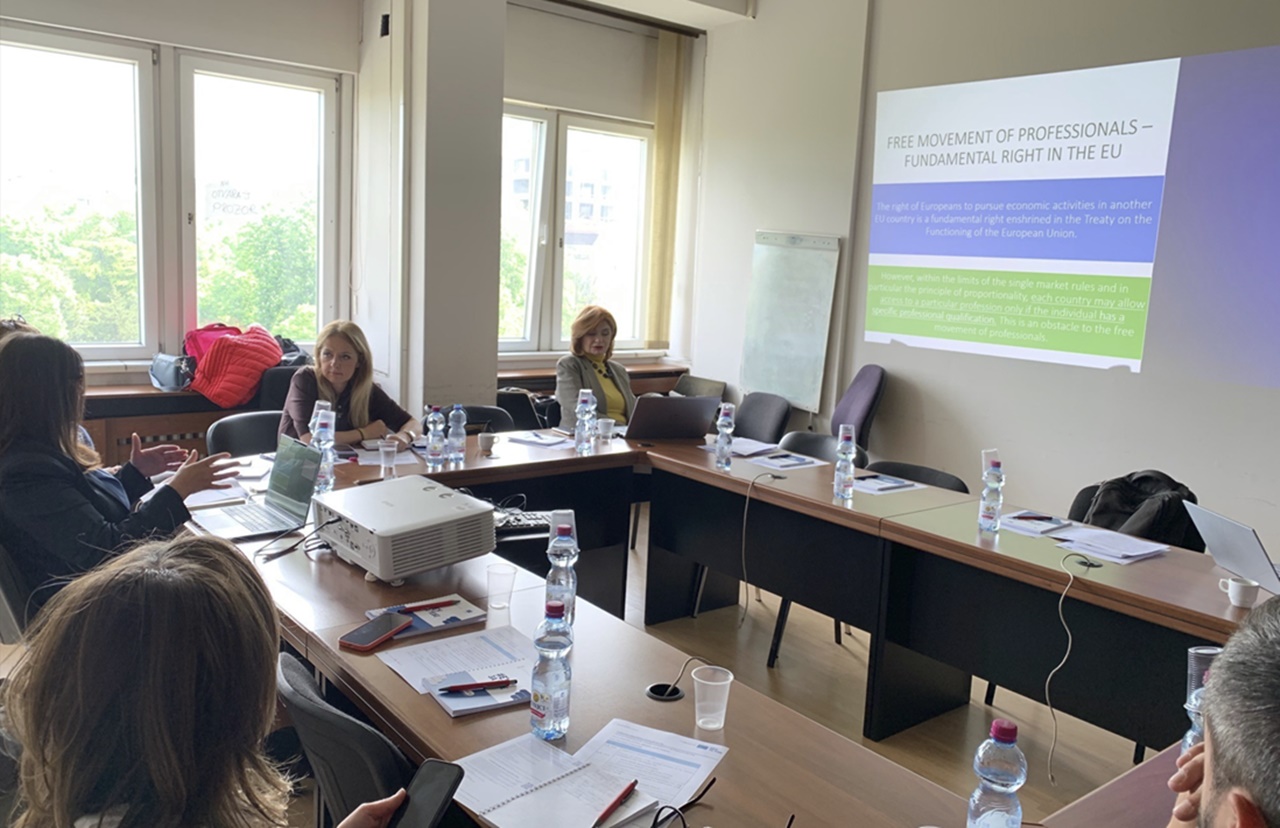
As part of the support provided by the PLAC IV project in this area, a workshop titled “Directive (EU) 2018/958 on the Proportionality Test – Key Provisions and European Commission Guidelines for Its Application” was held on 22 April 2026, in cooperation with the Ministry of Education. The workshop brought together representatives of several institutions, including the ministries responsible for education, tourism and youth, agriculture, and construction, confirming that this is a horizontal topic relevant to several areas of regulated professions.
THE BERLIN PROCESS AND REGULATED PROFESSIONS
In the framework of the Berlin Process, the Western Balkan Six, including Serbia, have adopted agreements facilitating the mutual recognition of qualifications and professional licences. On 21 October 2022 in Berlin, the Western Balkan foreign ministers endorsed an agreement on the recognition of professional qualifications for doctors of medicine, dentists and architects, along with agreements on freedom of movement with identity cards and on the recognition of higher education qualifications. Subsequently, in addition to the three professions mentioned above, agreements on the recognition of professional qualifications were also ratified for nurses, midwives, veterinarians and pharmacists, further contributing to the easier mobility of professionals and the gradual alignment of the region with EU rules.
WHAT DOES THE PROPORTIONALITY TEST MEAN IN PRACTICE?
At the opening of the workshop, Katarina Ranđić, on behalf of the Ministry of Education, addressed the participants and pointed out that Serbia already has a Law on Regulated Professions and Recognition of Professional Qualifications, but that it now needs to be further aligned with Directive (EU) 2018/958. This would provide clearer rules for introducing new requirements for practising regulated professions and greater legal certainty for citizens and professionals. Prof. Dr Dijana Marković Bajalović, Key Legal Expert of the PLAC IV project, emphasised in the introduction that it is important for conditions governing access to professions to be proportionate and non-discriminatory, so as to protect the public interest and the quality of services, while also preventing unnecessary closure of the labour market.
Kristina Čučuloska, PLAC IV project expert in the field of recognition of professional qualifications, stressed in her introduction that Directive (EU) 2018/958 is based on the case-law of the Court of Justice of the European Union in Luxembourg and forms part of a broader effort to safeguard the freedom of establishment and the freedom to provide services in the single market. In this respect, its transposition into the legislation of Member States is important for the mobility of professionals within the EU, that is, for making it easier for citizens to move and work in professions regulated by special rules. In the continuation of the workshop, the expert presented the key provisions of the Directive, the proposal for its transposition into domestic legislation, as well as the next steps and challenges in implementation. It was particularly emphasised that full harmonisation does not mean only amendments to legislation, but also the development of internal capacities. This includes appointing a national coordinator, establishing an inter-ministerial working group and strengthening administrative preparedness for implementing the new rules.
NEXT STEPS IN ALIGNMENT WITH EU RULES
During the discussion, participants pointed to the need for lists of regulated professions to be clear and transparent, so that citizens know in advance which requirements must be met in order to practise a particular profession or to have qualifications acquired abroad recognised. It was also emphasised that the proportionality test applies not only when a state introduces an entirely new regulated profession, but also when it changes the requirements for existing professions, for example by introducing new specialisations.
Support provided by the PLAC IV project in this area is aimed at developing a structured and legally grounded methodology for applying the proportionality test in Serbia, as well as strengthening the legislative framework for regulated professions in line with the European Union acquis. In cooperation with the Ministry of Education, proposals for amendments to the Law have been prepared, together with a draft rulebook on the proportionality test and a form for its application, as well as an improved list of regulated professions aligned with relevant European sources.
This workshop represents an important step in Serbia’s further alignment with EU rules in the field of regulated professions, particularly within Chapter 3 – Right of Establishment and Freedom to Provide Services. Alignment with this EU Directive contributes to making future rules in Serbia clearer, fairer and more predictable, both for institutions and for citizens who wish to work in regulated professions—and, after EU accession, across the wider European labour market.
Photo gallery